Personal Therapy Dog Adoption
The Power of the Personal Therapy Dog
A therapy dog is far more than a pet; they are a specially trained, temperament-tested companion dedicated to providing comfort, emotional grounding, and tangible mental health benefits. Whether it's alleviating the weight of social anxiety or providing a calming presence during times of high stress, these dogs serve as a vital anchor for their owners. At Companion Paws, our Personal Therapy Dog Adoption Program is built on the belief that the right match doesn't just change a life—it can save one.
We go beyond traditional adoption by specializing in "Purposeful Placement." Our team works tirelessly to identify rescue dogs with the rare, gentle disposition required for therapeutic work. These dogs are meticulously assessed and trained to ensure their temperament aligns perfectly with the unique lifestyle, emotional needs, and daily environment of their new owner.
A Guided Path to Wellness
This is a collaborative journey. Through a structured process of matching, professional skills training, and dedicated ongoing support, we ensure every partnership is built to flourish. We don't just hand over a leash; we provide the tools and guidance necessary to foster a deep, intuitive bond that promotes long-term psychological well-being for the human and a stable, loving environment for the canine.
The result is a profound, symbiotic relationship: a deserving rescue dog is given a transformative second chance at life, while their owner gains a loyal partner dedicated to their emotional health and recovery. Together, they form a team built on trust, healing, and the extraordinary power of the human-canine connection.
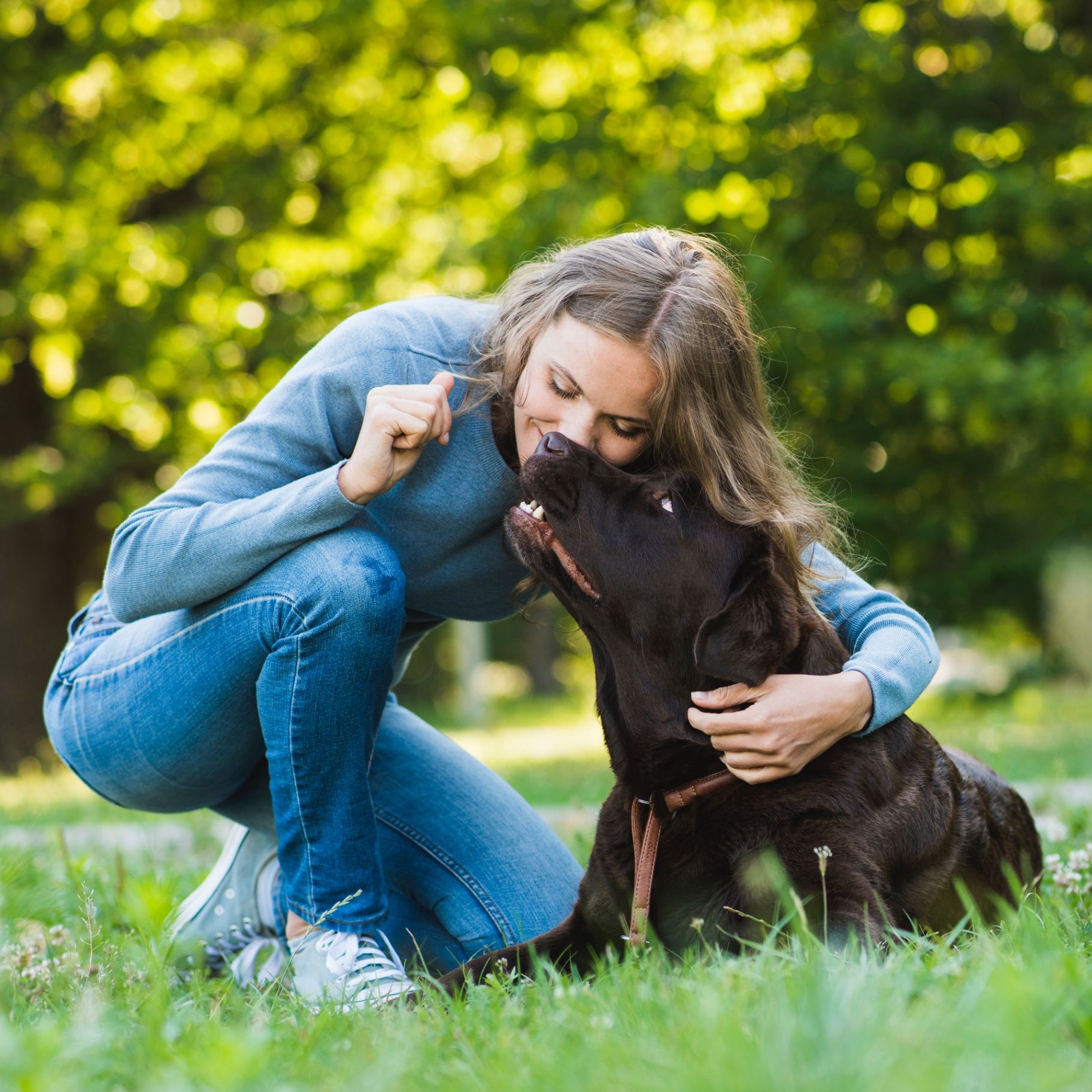
Companion Paws offers the Personal Therapy Dog Adoption Program, the first of its kind in Canada, proudly serving Canadians since 2017. Research has consistently shown that companion animals can improve both mental and physical health, helping to reduce stress, anxiety, and symptoms of depression.
Working with rescue organizations across Canada and North America, Companion Paws carefully selects and matches dogs with individuals based on personality and temperament. Both the adopter and the dog complete a thorough intake assessment to ensure the best possible fit. Once matched, ongoing support and training guide the new team, building on the dog's existing skills while helping the handler develop confidence and connection. Upon successful evaluation, each certified team receives official Companion Paws identification, including a bandana, ID card, and certificate of registration.
Please note: Companion Paws Certified dogs are designated therapy dogs and are not certified as service dogs. For more information on the difference between therapy dogs, service dogs, and guide dogs, see here. Also please understand that these dogs are trained rescue dogs. The journey to your dog becoming fully trained and certified as a Therapy Dog involves time, dedication and being authentic with continued training.
Trained Personal Therapy Dog Adoption Program
The Pre-Trained Dog Program offers a temperament assessed, manners and obedience trained dog for adoption.
Important Documentation to be Submitted with Application
Please have your licensed and registered mental health treatment provider write a letter stating your diagnosis with a recommendation for a personal therapy dog aka emotional support dog. This should be on professional letter head with date, contact details, business practice and license with the licensed provider's signature.
If you rent the home you live in, you must include your landlord's permission letter with your application. There is a section for uploads during the process. Any applications with missing information will not be reviewed. The required information is used to ascertain suitability and dog criteria.
Program Process
Learn about the step-by-step process from application to certification.
View ProcessFrequently Asked Questions
Find answers to common questions about the program, costs, and requirements.
FAQ's