Certify Your Own Dog
"We don't just certify dogs. We certify the moments they make possible."
If you already have a well-trained dog with the right temperament, the Companion Paws Certify Your Own Dog Program offers a clear path to becoming a certified therapy dog team. We take great care to qualify only dogs who genuinely enjoy interacting with people, because a successful partnership must work for both the dog and the owner. Through our structured assessment and training process, we evaluate teams for three therapy designations: Personal, Assisted, and Visiting. The result is a confident, certified team ready to bring comfort, connection, and meaningful support to others.
Important: Please note Companion Paws Certified dogs are designated therapy dogs and are not certified as service dogs.For more information on the difference between therapy dogs, service dogs, and guide dogs click here.

Three Types of Animal Assisted Therapy Dogs
Through our Companion Paws program process, we assess and test 3 types of Animal Assisted Therapy Dogs: Personal, Assisted and Visiting.

Personal Therapy Dog
A personal therapy dog is a trained, evaluated and certified dog that brings positive mental health benefits to their owners. Therapy Dogs are especially beneficial to those that struggle with mental wellness.
Requirement::
Letter from current mental health professional required
Assisted Therapy Dog
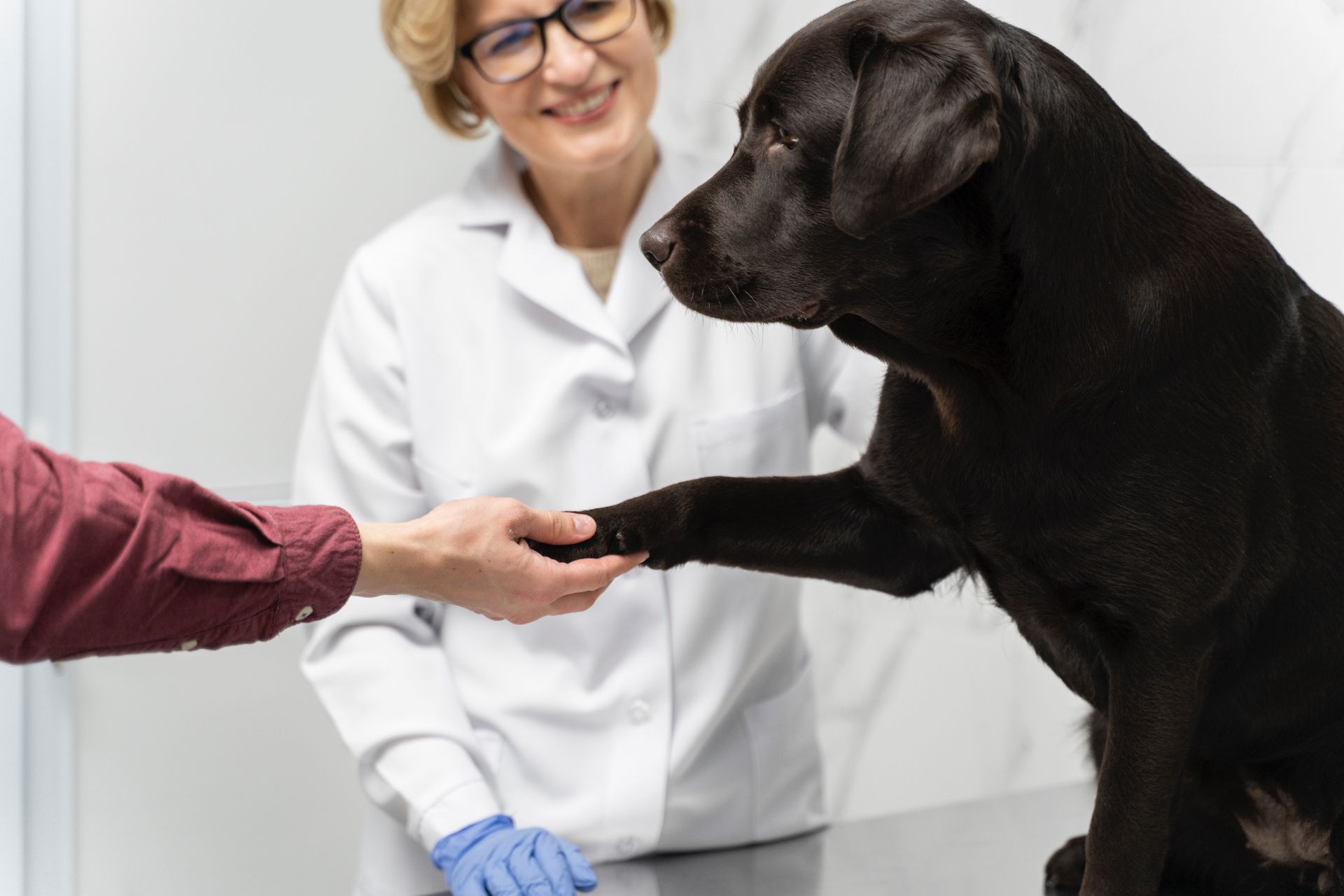
Assisted Therapy Dogs work with their owner, typically: educators, teachers, psychologists, counsellors and doctors. A calm well behaved and loving dog at their workplace can bring great benefit to their students, clients, customers and patients.
Requirement::
Professional licensing and workplace approval required

Visiting Therapy Dog
Typically, Visiting Therapy Dogs visit hospitals, schools, hospices and nursing homes, to name just a few. Unlike service dogs, therapy dogs are encouraged to interact with a variety of people while they are on-duty.
Requirement::
Advanced training and socialization required
Program Guidelines
Requirements for your dog to qualify for the certification program
Additional Requirements: To qualify as a therapy dog, the dog must have up to date medical health records letter from his or her veterinarian, current dog license and must have no aggression towards people or other dogs (including un-neutered male dogs).
Companion Paws Certification Process
To determine if you and your pet are suitable candidates to receive the Companion Paws certification there is a four-part process.
First Temperament Assessment
This is the first requirement to assess the suitability of your dog as a therapy dog with Companion Paws Canada. Health records and vaccinations must be up to date prior to the First Temperament Assessment.
The purpose of this 30-minute temperament assessment is to establish that the dog is not a safety risk and that both dog and handler are suitable for their respective designations.
CPC Therapy Dog Skills Training Online Course
This includes: Reading material, 23 Online skills training videos for evaluation preparation and a short quiz.
Comprehensive training materials to prepare you and your dog for the certification process.
A Second Temperament Assessment
To reconfirm the dog's suitability for the selected therapy designation(s), including Personal, Assisted, or Visiting therapy.
Follow-up assessment to ensure continued suitability and progress.
Final Evaluation
The evaluation is divided into two stages and has 17 individual tests and additional exercises within each test.
Comprehensive final assessment covering all aspects of therapy dog certification.
After Successful Completion
What you receive upon certification and ongoing requirements
You Will Receive
- Companion Paws Canada Therapy Dog Bandana
- Official Identification Card
- Certificate of Registration
- Letters of Certification (upon request)
Annual Requirements
Owners are required to renew their Companion Paws Certification, complete a form and re-evaluate annually to continue to be certified by Companion Paws Canada.
The annual renewal fee includes the required annual re-evaluation.
Please see our FAQ's for other important information, including costs, program process, timelines and next steps.